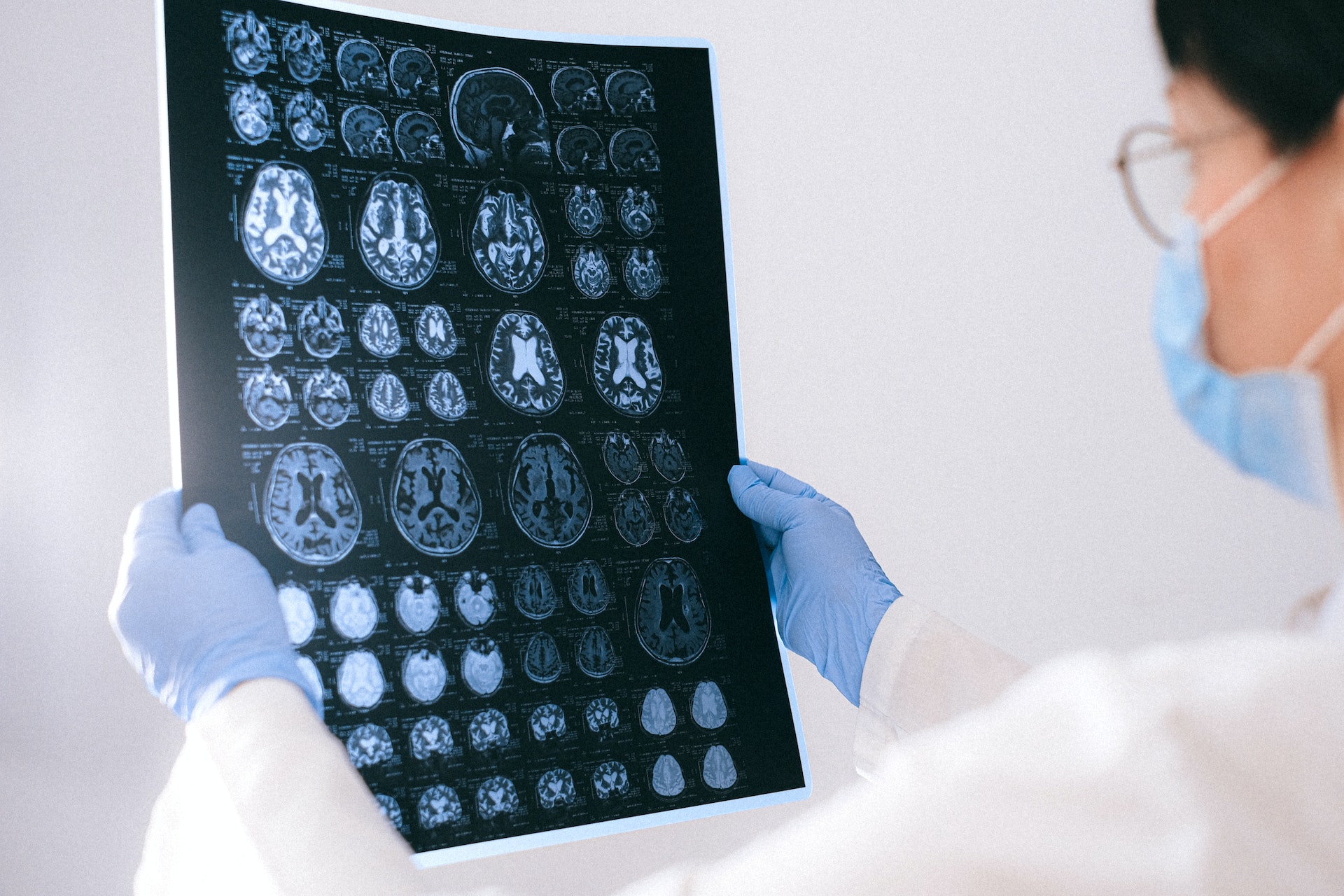
Brain tumors, though relatively rare, represent a complex and potentially life-altering medical condition. They can arise from various cell types within the brain or its surrounding structures, each presenting unique challenges in terms of diagnosis and treatment. In this blog post, we'll delve into the diverse world of brain tumor types, shedding light on their origins, characteristics, and available medical interventions.
Gliomas are the most common type of brain tumors, originating from glial cells that provide essential support to nerve cells. These tumors encompass several subtypes, including astrocytomas, which arise from astrocytes, and oligodendrogliomas, which stem from oligodendrocytes. Varying in aggressiveness, gliomas demand specialized treatment strategies based on factors such as tumor grade and location.
Derived from the meninges, the protective layers surrounding the brain and spinal cord, meningiomas are usually benign and slow-growing tumors. Despite their non-cancerous nature, these growths can exert pressure on critical brain structures, necessitating careful monitoring and, in some cases, surgical intervention.
The pituitary gland, a vital regulator of hormone production, can give rise to tumors that disrupt the delicate hormonal balance of the body. These tumors can lead to a range of symptoms, including hormonal imbalances, vision problems, and headaches. Treatment may involve surgery, medication, or a combination of approaches to manage these intricate cases.
Primarily affecting children, medulloblastomas are aggressive embryonal tumors that typically form in the cerebellum. These tumors require prompt diagnosis and treatment, often involving a combination of surgery, radiation therapy, and chemotherapy due to their potential to spread to other parts of the central nervous system.
Schwannomas and neurofibromas originate from nerve cells and can impact various nerves throughout the body. While schwannomas often affect the vestibular nerve and can lead to hearing and balance issues, neurofibromas are linked to peripheral nerves and may be associated with the genetic condition neurofibromatosis.
Located near the pituitary gland, craniopharyngiomas can disrupt hormone production and other essential functions controlled by the nearby hypothalamus. These tumors often necessitate careful surgical removal, taking into account their intricate location.
Rare and often linked to von Hippel-Lindau disease, hemangioblastomas develop from blood vessel cells and can affect the brain and spinal cord. Surgical resection is a common approach to managing these growths, which require vigilant monitoring due to their potential to recur.
The world of brain tumor types is a complex realm, encompassing a spectrum of origins, behaviors, and treatment approaches. From gliomas that arise from supportive cells to meningiomas derived from protective layers, each type presents distinct challenges. As medical research advances, innovative therapies continue to emerge, offering hope for improved outcomes and enhanced quality of life for those affected by these intricate conditions. If you or a loved one are facing the challenges of a brain tumor diagnosis, seeking expert medical guidance is essential to tailor a comprehensive treatment plan tailored to your unique needs.
 0122 883 3439 - 0112 080 1199
 info@drsamersamy.com