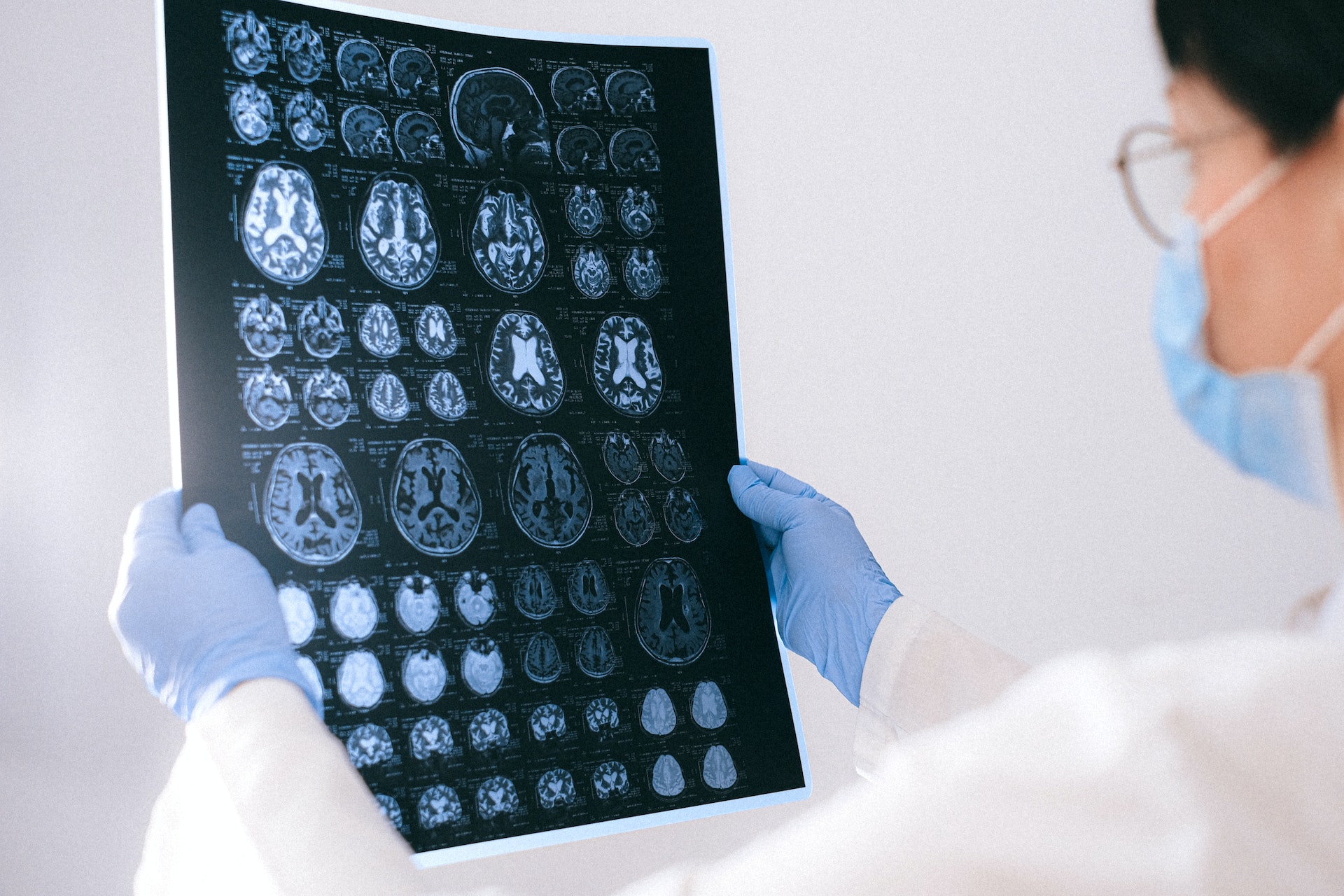
Headaches are a common affliction that most people experience at some point in their lives. While they can often be attributed to stress, fatigue, or dehydration, headaches can also stem from more complex medical factors. In this blog post, we'll delve into the world of headaches and explore various types, shedding light on their underlying causes, symptoms, and available treatment options.
Tension headaches are among the most prevalent types, often triggered by stress, anxiety, or poor posture. They manifest as a dull, persistent ache on both sides of the head or the back of the neck. Tension headaches are generally mild to moderate in intensity and are not aggravated by physical activity. Over-the-counter pain relievers, relaxation techniques, and lifestyle adjustments like adequate sleep and stress management can help alleviate these headaches.
Migraines are severe and often debilitating headaches that are characterized by throbbing pain, usually on one side of the head. Accompanied by other symptoms such as nausea, vomiting, and sensitivity to light and sound, migraines can significantly disrupt daily life. Triggers can vary widely, and genetics may play a role. While there is no definitive cure, a combination of prescription medications, lifestyle changes, and identifying and avoiding triggers can help manage and reduce the frequency and severity of migraines.
Cluster headaches are excruciatingly painful and occur in clusters or patterns, often at the same time of day or night. They primarily affect men and are characterized by intense, piercing pain around one eye, along with nasal congestion and eye watering. The exact cause is unclear, but abnormalities in the hypothalamus, a part of the brain, may be involved. Oxygen therapy, specific medications, and lifestyle modifications are employed to mitigate the intensity and frequency of cluster headaches.
Sinus headaches result from inflammation in the sinus passages, often due to allergies or infections. The pain is typically located in the forehead, cheeks, and nose and may be accompanied by nasal congestion and a feeling of pressure. Differentiating between sinus headaches and migraines is essential for effective treatment. Addressing the underlying cause, managing allergies, and using decongestants can provide relief.
Also known as medication-overuse headaches, rebound headaches occur when frequent use of pain relievers or migraine medications leads to a cycle of escalating headache frequency. Breaking this cycle requires discontinuing the overused medications under medical supervision and transitioning to preventive strategies.
Headaches come in various forms, each with its distinct characteristics and underlying causes. Proper diagnosis and understanding the specific type of headache are vital steps toward effective management and relief. Whether it's through lifestyle adjustments, prescription medications, or a combination of approaches, medical guidance is crucial in addressing the complexities of different headache types. If you experience recurrent or severe headaches, consulting a healthcare professional can help determine the best course of action for your individual needs.
 0122 883 3439 - 0112 080 1199
 info@drsamersamy.com